
THYMOSIN BETA 4 (TB4) 15MG
Full Tissue regeneration and inflammation reduction
Thymosin Beta-4 (TB4) is a naturally occurring 43-amino acid peptide engineered to regulate actin polymerization, cell migration, wound healing, and musculoskeletal tissue repair.
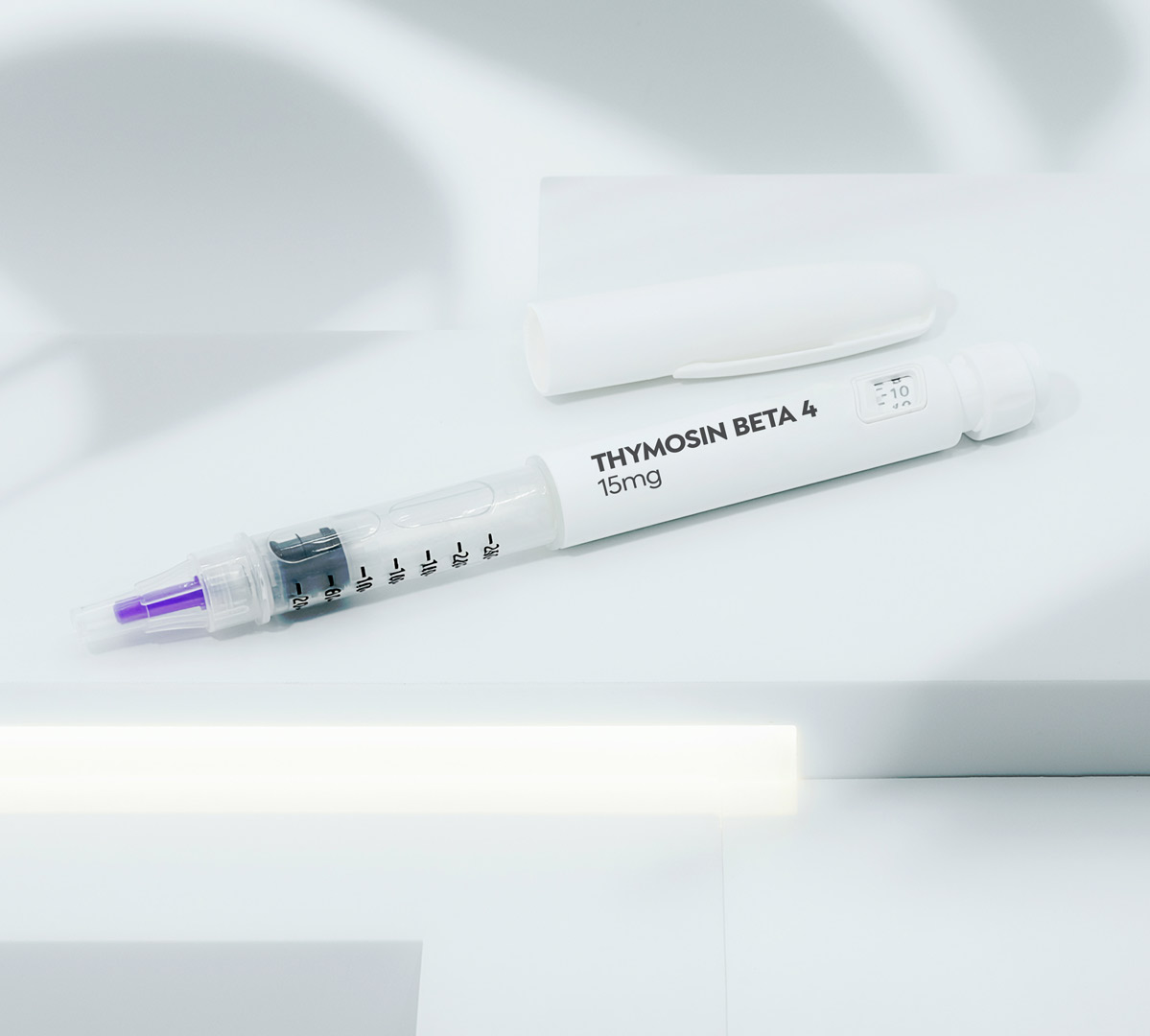
Active Ingredient: 15.00mg per pen
Volume: 3.00ml
For in vitro use only.
Typical research suggests 5 clicks daily, weeks 1-2. Then 10 clicks daily thereafter.
All our Peptide Pens are designed to last a minimum of 30 days.
Taxes included. Shipping calculated at checkout.
Expected Benefits
By combining clinical research with day-to-day wellness support, this protocol offers clear metabolic improvements:
Cardiovascular & Tissue Protection: Protects cardiac and soft tissues from ischemic and inflammatory damage.
Systemic Anti-Inflammatory Action: Suppresses pro-inflammatory cytokines, reducing tissue swelling and pain.
Angiogenesis & Microvascular Growth: Promotes new blood vessel formation to supply oxygen to healing zones.
Actin Cytoskeleton Remodelling: Regulates G-actin sequestration to rebuild cellular scaffolding in damaged tissues.
Manufactured and tested to
pharmaceutical standards


What is THYMOSIN BETA 4 (TB4) 15MG?
Thymosin Beta-4 is the complete, naturally occurring 43-amino acid peptide found in high concentrations in blood platelets and healing tissues. It acts as the body's primary cell-building modulator, controlling actin cell movement, blood vessel growth, and tissue remodeling following injury or physical trauma.
The Cellular Mechanism
Laminin-5 & Angiogenic Regulation: Stimulates laminin-5 synthesis and vascular cell migration to build new blood vessels.
Protocol Schedule
Weeks 1-2 (Baseline Priming): An initial daily dose of 250mcg in the morning (5 clicks once per day).
Weeks 2 Onwards (Active Titration): The protocol scales to 500mcg daily in the morning (10 clicks once per day).
Once targets are achieved, dosage can be reviewed and adjusted according to results.
Possible Side Effects
Transient Fatigue: Brief, mild tiredness immediately following high-dose administration as systemic healing cascades activate.
Active Ingredient: 15.00mg per pen
Volume: 3.00ml
For in vitro use only.
Typical research suggests 5 clicks daily, weeks 1-2. Then 10 clicks daily thereafter.
All our Peptide Pens are designed to last a minimum of 30 days.
Taxes included. Shipping calculated at checkout.